The Healthy Plate
All of the ingredients used on our plate are either raised, grown, wild harvested, or well sourced local, seasonal, live, chemical free, and are minimally produced. We use the largest variety of whole foods possible, and cook mainly from scratch. I know, this seems extreme, but a lot can be done, no matter your circumstances, and improved upon in time.
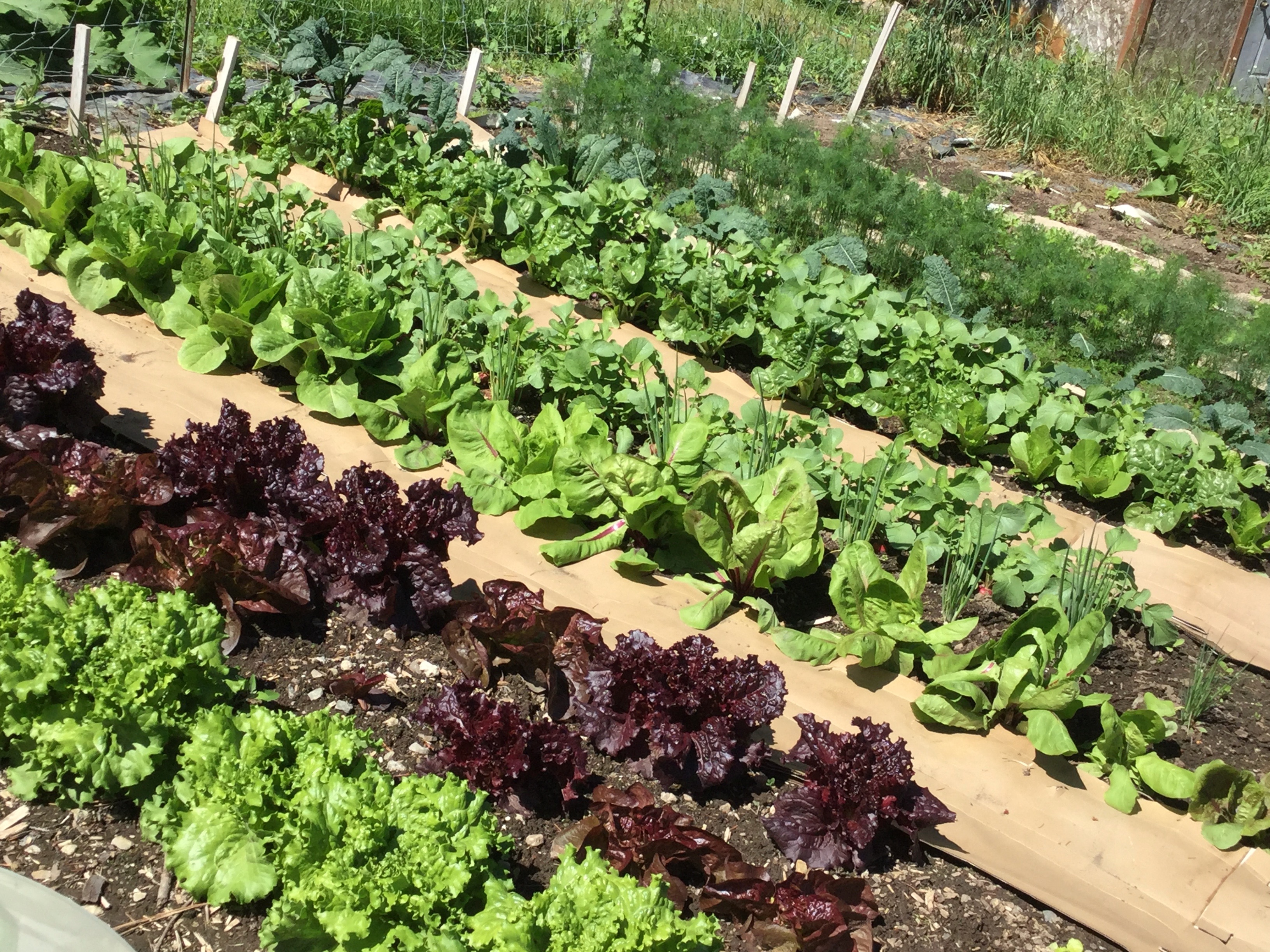
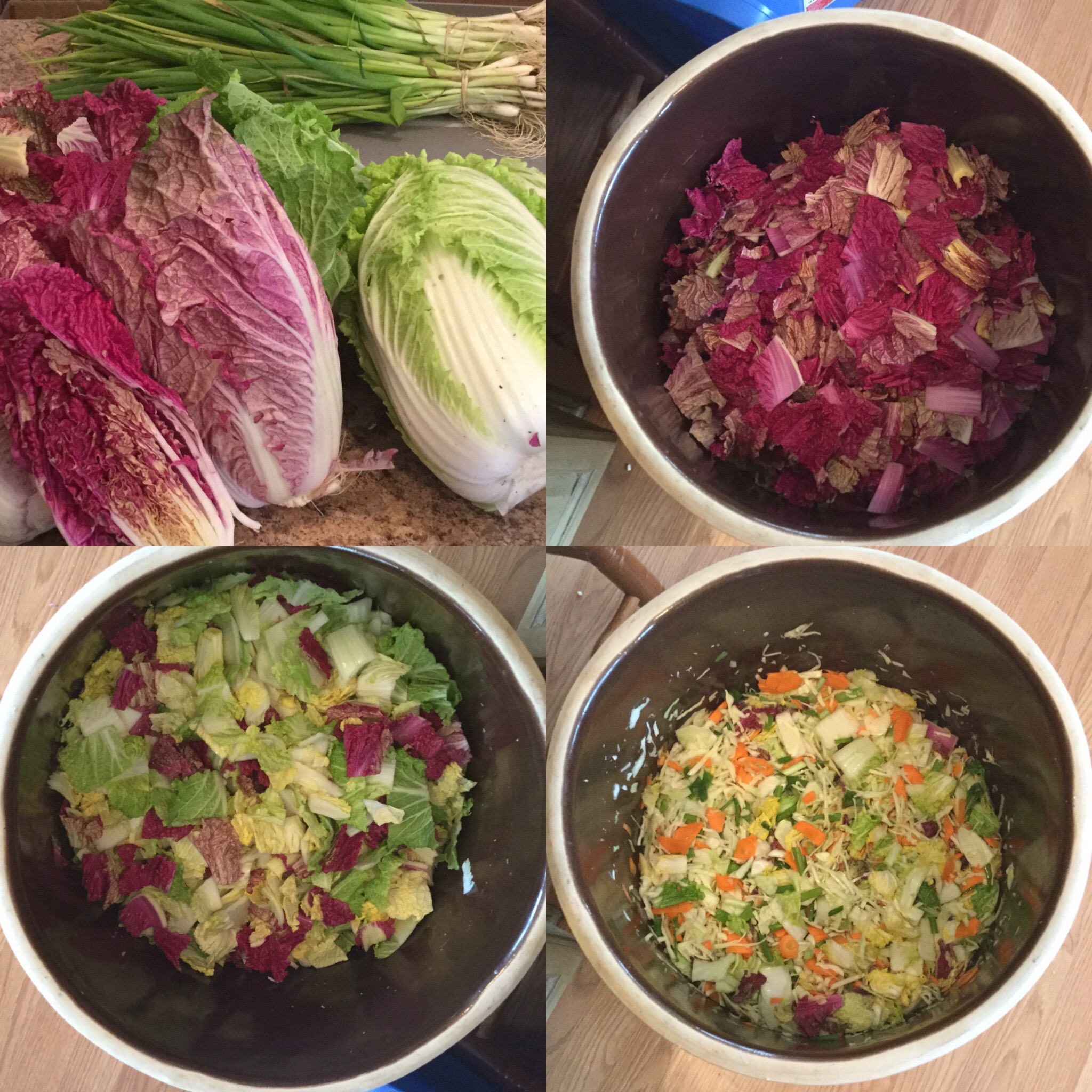
In order to feed our microbiome, and detox optimally more than 50% of our plates are non-starchy vegetables (4-7 cup min. or 1 lb. daily) taken from at least 30 different plants weekly, with a min of 6 colours per meal – to be exact. Most meals start with a small plate of raw vegetables/salad with a sour dressing and will have a table spoon of ferment added as a garnish to best start digestion.
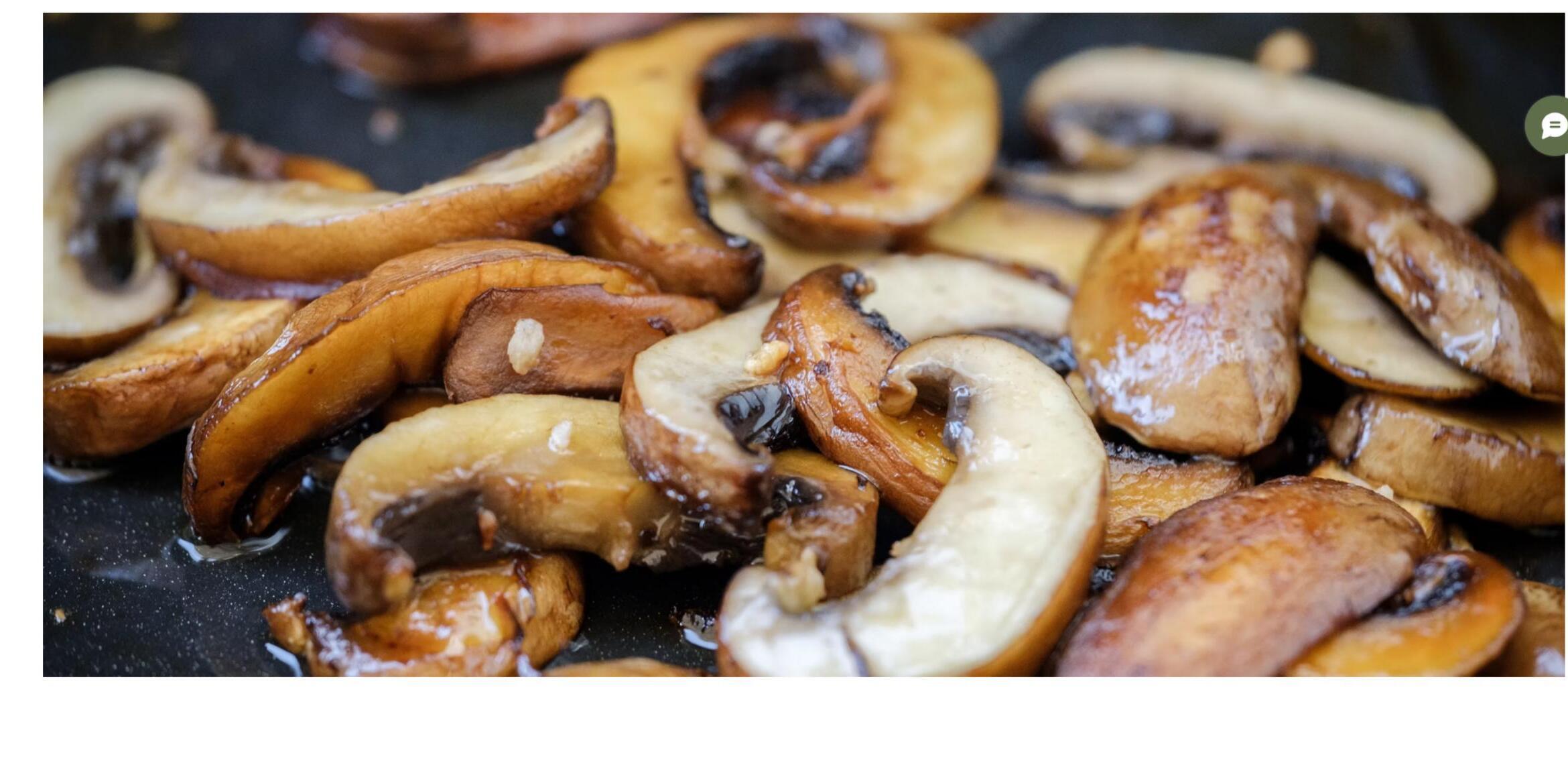
The other half of the plate has a personal palm sized amount of animal protein, with some fat added (avocado, coconut, nuts, seeds, oil, butter etc.) as garnish with fresh aromatic greens. At times in the month protein can be obtained from vegetarian sources at a 3:1 or 2:1, rice:bean ratio.
Roots and starchy vegetables, or a small bit of whole grains and/or legumes (more vegetarian meals) are only eaten at the end of a meal, and only at certain times of the month. There are certain constitutions, high output lifestyles, and ethnicities that require more carbohydrates, more often than the moon cycle suggests. Always listen to your body primarily—biochemical individuality is at the foundation of our health and healing.
← Back to A Living Diet
Food Tips & Recipes
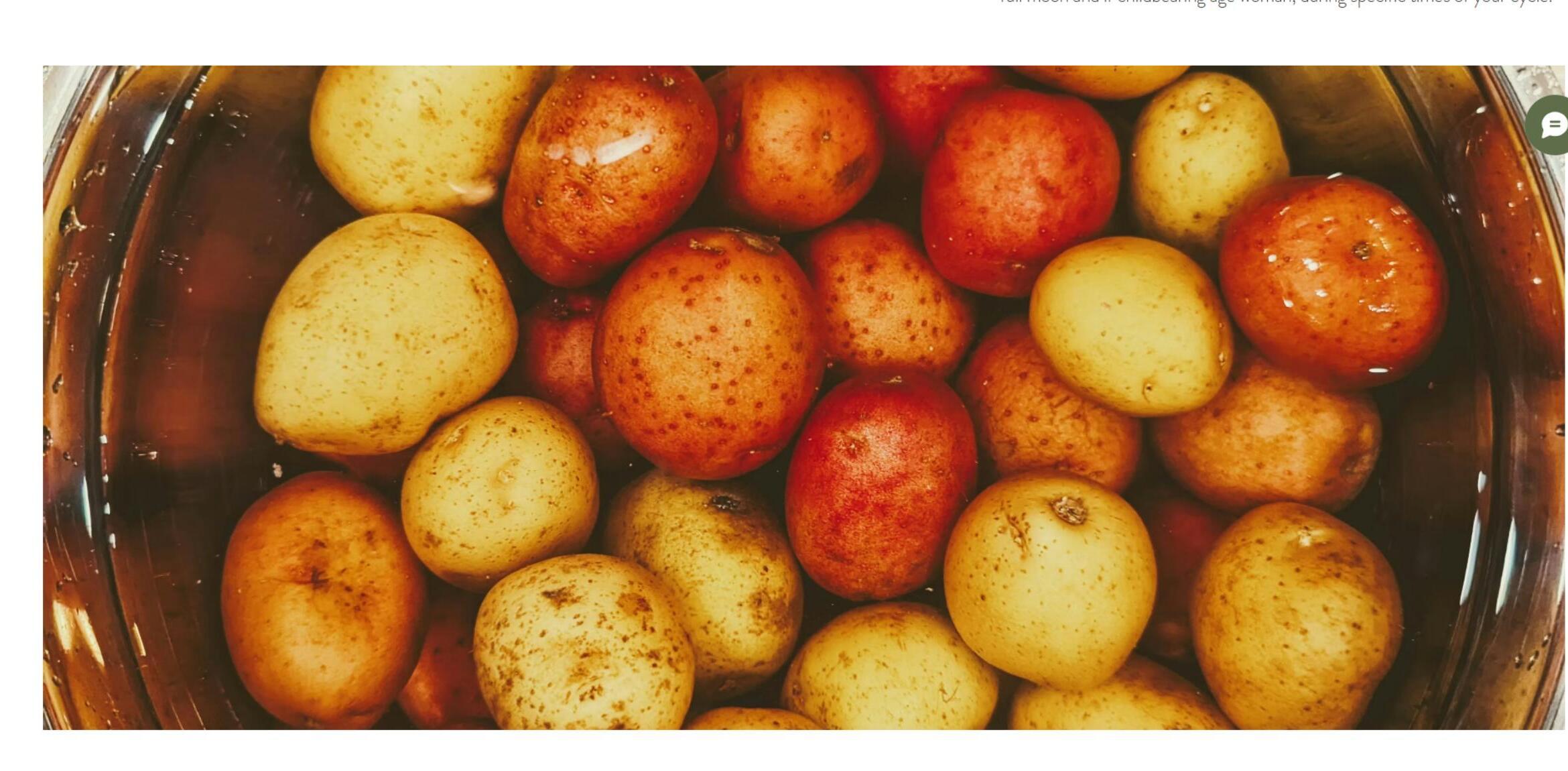
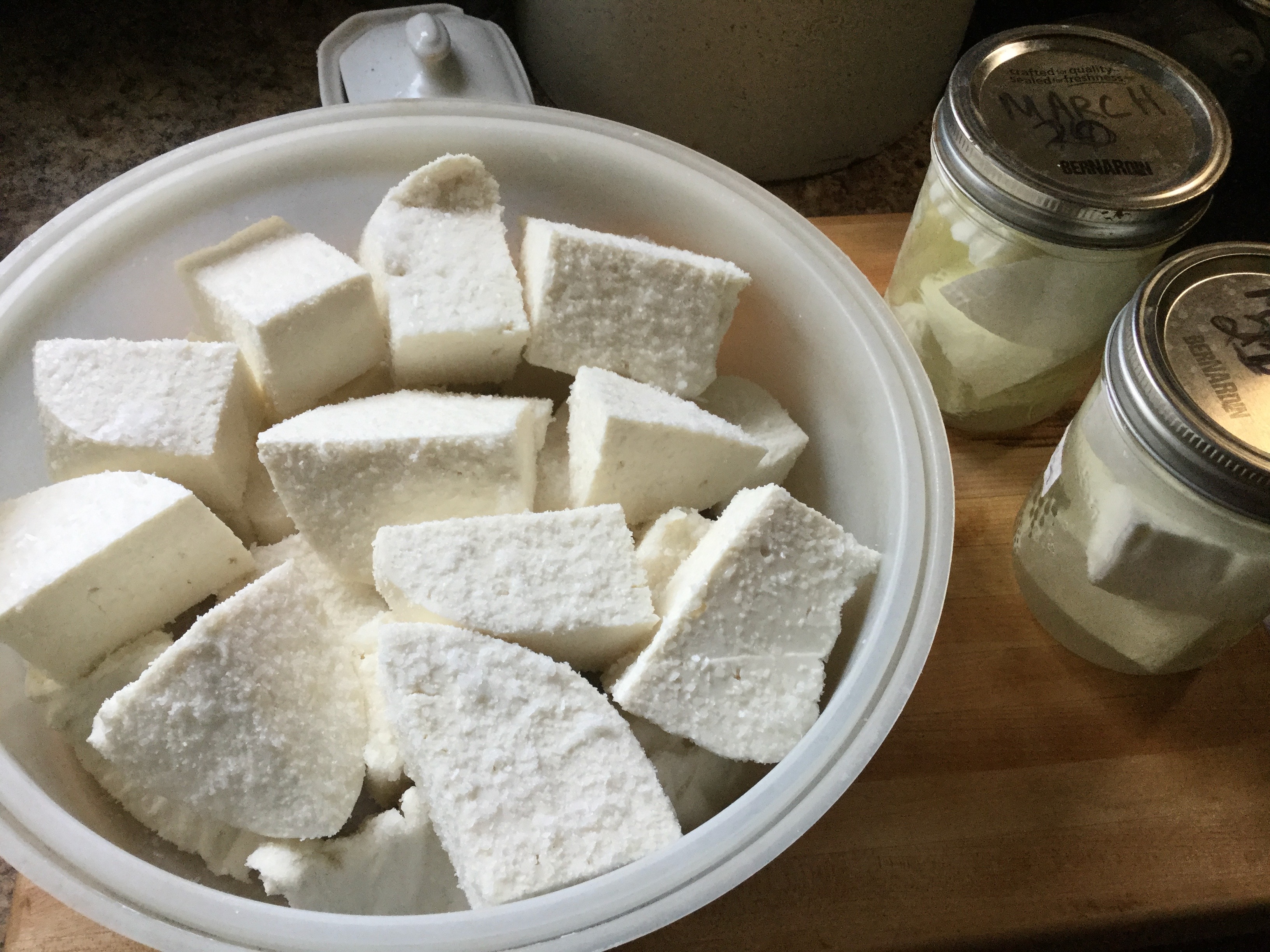
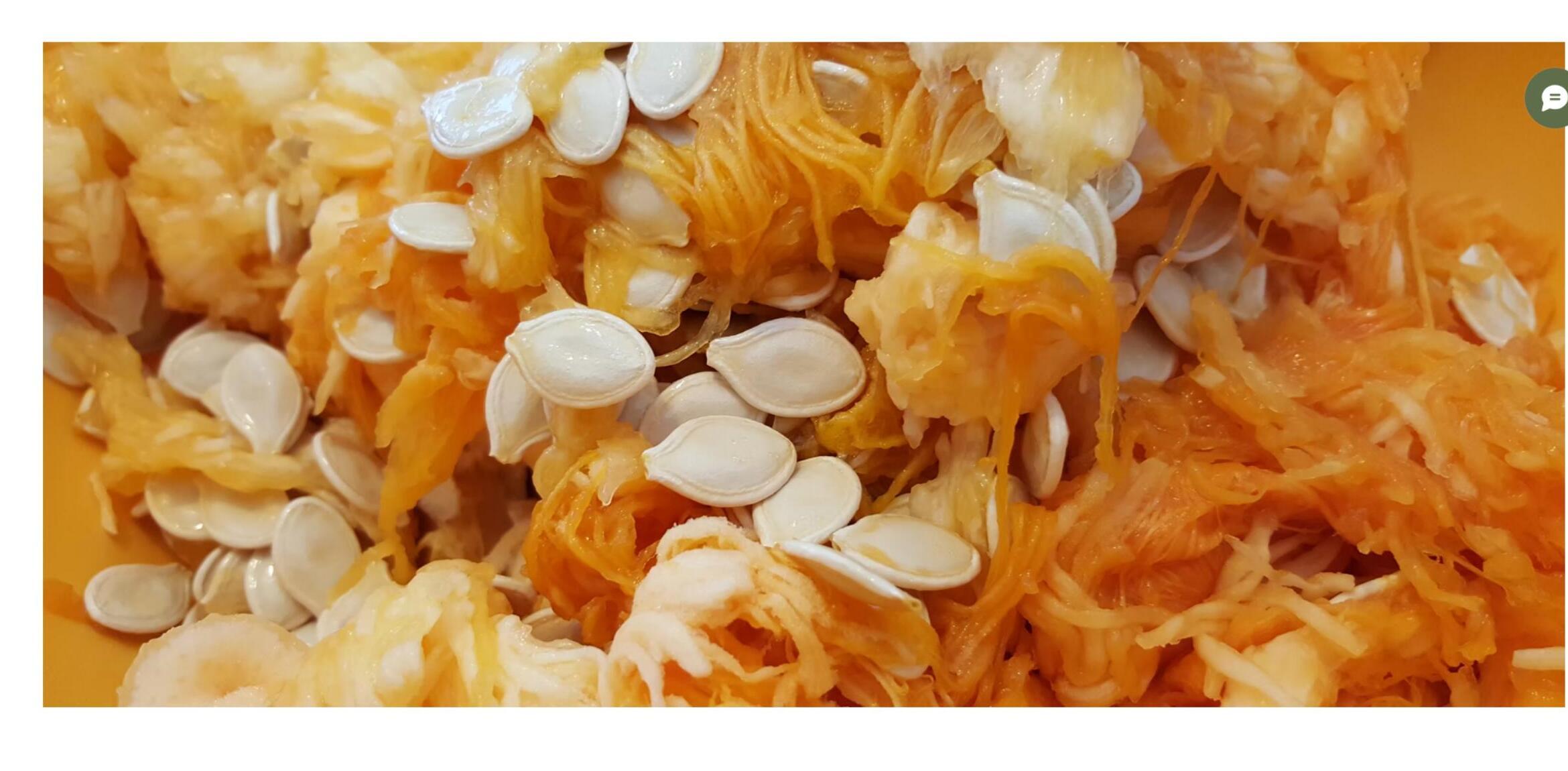
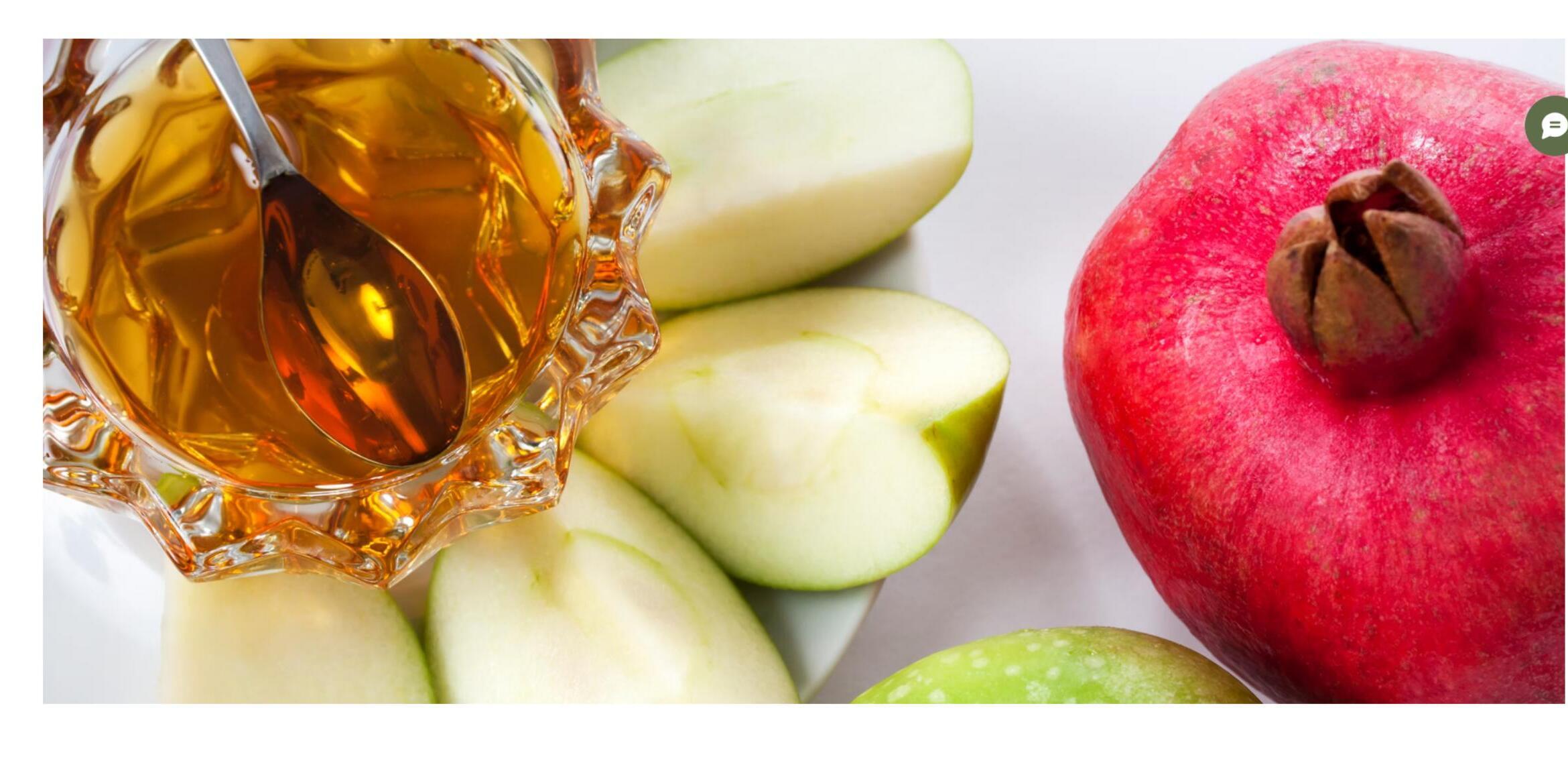
Hover over each food category to see its name, click to learn more about sourcing, preparation, and recipes.


Digestion Tips
When we eat, we should be in a calm, peaceful environment—in a state of gratefulness and in good company. The nervous system must be in a parasympathetic (rest-and-digest) state for proper digestion to begin. Eating while stressed, rushed, or distracted shuts down digestive function and leads to poor absorption, bloating, and discomfort.
Microbiome research suggests, that we improve digestion if we eat all of the nutrients together, each meal, since they all rely on each other for proper digestion to occur. So, it is imperative to eat a balanced plate, perhaps just less often.
As well, in order to best absorb the nutrients, chew well (one per tooth). Let 3-5 hours pass between meals in order to give the stomach the time it needs for digestion, creating the best conditions for absorption to occur.
If we eat too soon the contents of our stomach empties undigested, causing all sorts of issues along the digestion pathway and then symptoms follow. Omit consuming any caffeinated beverage after eating since it also causes the contents of your stomach to empty too early. These are things that we used to know, but many have forgotten.
Walking for fifteen minutes after a meal aids digestion significantly. Gentle movement stimulates peristalsis, helps regulate blood sugar, and moves food through the digestive tract more efficiently. Our ancestors rarely sat still after eating—make it a habit.
Ready to take the next step? Book a nutritional consultation.
Nutritional Advice →